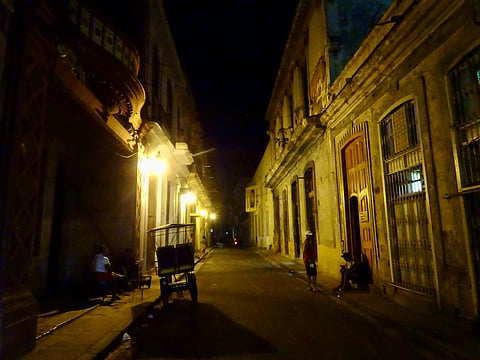


Cuba suffered its second islandwide blackout in less than a week on Friday, leaving the country of nearly 10 million people without electricity as its aging power grid and worsening fuel shortages remain under strain.
The outage began at about 4:30 p.m. local time, according to Cuba's state-run Electric Union, marking the fourth nationwide collapse of the electrical system this year.
Authorities said power restoration efforts had already begun in some parts of the country.
Cuban authorities said the latest blackout was caused by a "fluctuation in the parameters" after a failure in a transmission line connecting the provinces of Santa Clara and Sancti Spíritus.
Officials said the electrical system has been weakened by aging infrastructure, with some power plants more than three decades old, alongside severe shortages of fuel needed to operate them.
Prime Minister Manuel Marrero said it had been "another very difficult week under the impact of the energy blockade," citing two nationwide grid failures, minimal fuel supplies, and multiple generating units being out of service.
Monday's nationwide blackout had also disrupted electricity across the island, with authorities gradually restoring service before Friday's collapse.
Fuel shortages have intensified since January after U.S. President Donald Trump threatened tariffs on countries supplying oil to Cuba, sharply reducing fuel deliveries to the island.
Cuba produces about 40 percent of the fuel it consumes, leaving it dependent on imports to meet demand.
A Russian oil shipment delivered in late March was exhausted by the end of April, further tightening supplies.
The government has continued rationing electricity through scheduled outages that can last more than 24 consecutive hours in some areas.
The shortages have also disrupted public transportation and led officials to cancel tens of thousands of surgeries.
Cuba had planned to expand renewable energy generation, including increased use of imported solar technology, but fossil fuels continue to supply the majority of the country's electricity needs as authorities work to stabilize the grid.