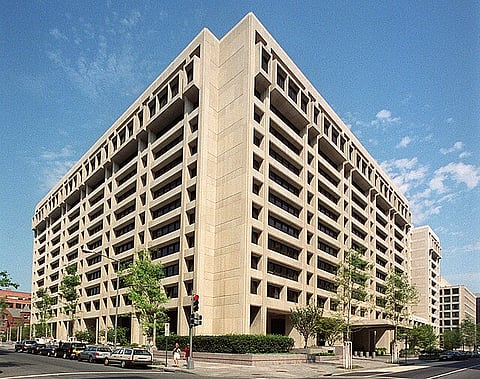


The International Monetary Fund (IMF) issued a warning on Monday that the ongoing war in the Middle East is causing serious disruption to frontline economies and dimming the recovery prospects for nations just beginning to emerge from previous crises. In a blog post published by senior IMF economists, the global lender stated that the war initiated by US and Israeli strikes against Iran on February 28 is generating a "global, yet asymmetric shock" while tightening financial conditions worldwide. "All roads lead to higher prices and slower growth," the economists wrote, underscoring the pervasive economic consequences of the expanding conflict.
"Asymmetric Shock"
The IMF characterized the economic fallout as highly uneven, with African and Asian nations heavily dependent on oil imports already struggling to secure needed supplies "even at inflated prices". The ultimate impact on global supply chains and infrastructure, the Fund noted, will depend on whether the conflict remains short or prolonged, though "the world may settle somewhere in between; tensions linger, energy stays costly, and inflation proves hard to tame with ongoing uncertainty and geopolitical risk". This assessment reflects the precarious balancing act facing global markets as hostilities continue with no clear resolution in sight.
Largest Oil Market Disruption in History
According to data from the International Energy Agency (IEA) cited by the IMF, Iran's effective closure of the Strait of Hormuz combined with damage to regional energy infrastructure has caused the largest disruption to global oil markets in recorded history. The strategic waterway, through which approximately 20 percent of the world's oil supply normally transits, has been largely shut since late February, sending shockwaves through energy markets. Brent crude surged toward $115 per barrel in Monday trading, on track for a record monthly increase, as US military assets arrived in the region and President Donald Trump reiterated threats to destroy Iranian energy assets if the Strait does not reopen soon.
Food Security Crisis
Beyond energy disruption, the IMF warned that higher food and fertilizer prices are affecting countries from the Middle East to Latin America, with low-income economies facing acute food insecurity risks. The interruption of crop-nutrient supplies from the Gulf region comes precisely as planting season begins across the northern hemisphere, threatening harvests that will determine food availability for the remainder of the year. People in low-income countries are especially vulnerable, as food accounts for approximately 36 percent of their consumption on average, compared to 20 percent in emerging markets and just 9 percent in advanced economies. The IMF noted that this disparity makes any spike in fertilizer and food prices "not just an economic problem but a socio-political one, especially where fiscal resources to cushion the blow are limited".
A Prolonged Conflict Would Deepen Global Pain
The Fund cautioned that if elevated energy and food prices persist, they will fuel inflation worldwide, noting that sustained oil-price spikes have historically driven inflation higher while suppressing economic growth. The war could also entrench expectations that inflation will remain high for longer, translating into higher wages and prices that would make it harder to contain the shock without a sharper economic slowdown. The IMF will release a more comprehensive assessment in its World Economic Outlook report, scheduled for publication on April 14 during the IMF and World Bank spring meetings in Washington. As finance ministers and central bank governors prepare to gather for those critical discussions, the warning from the global lender underscores a grim reality: for an already fragile global economy still recovering from pandemic and inflationary pressures, this new conflict could prove to be the blow that tips the balance decisively toward stagnation.