

Iranian officials say nationwide protests that began over economic grievances have intensified into violent unrest, prompting a sweeping security response and renewed warnings against foreign intervention.
The demonstrations, now entering a third week, have coincided with a nationwide internet blackout, pro-government rallies, and escalating rhetoric between Tehran and Washington.
Authorities insist the situation is stabilising even as conflicting accounts emerge over casualties and responsibility for the violence.
Officials say unrest has expanded geographically but is being contained by security forces across the country.
Iranian Foreign Minister Seyed Abbas Araghchi told foreign diplomats in Tehran that the situation was “under total control” after violence surged over the weekend.
He alleged the protests were deliberately turned “violent and bloody” to create a pretext for U.S. military intervention, blaming what he described as foreign-backed “terrorists.”
Araghchi said Iran possesses footage showing weapons being distributed to protesters and claimed confessions from detainees would soon be released.
He stated that security forces would “hunt down” those responsible while adding, “We are ready for war but also for dialogue.”
Iran has declared three days of national mourning for those killed, including members of the security forces.
The semi-official Tasnim news agency reported more than 100 security personnel deaths, while authorities have not released figures for civilian casualties.
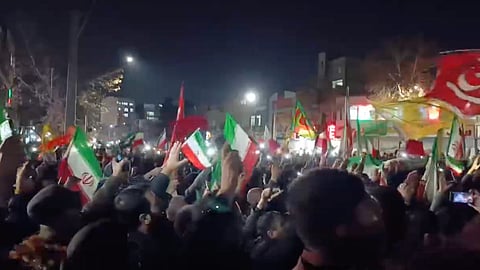
State media showed large pro-government rallies in multiple cities, including a mass gathering in Tehran attended by President Masoud Pezeshkian.
Parliament Speaker Mohammad Bagher Ghalibaf described the crackdown as a “war against terrorists,” warning the United States against what he called miscalculation.
The unrest, initially driven by rising living costs and economic pressures, has evolved into one of the most serious challenges to Iran’s leadership since the 1979 revolution.
Limited clashes were reported in several cities and neighbourhoods, though officials said most areas were calm overnight.
A nationwide internet blackout has entered its fourth day, drawing criticism from human rights groups who say it conceals abuses.
Araghchi said connectivity would be restored soon, including at embassies and government institutions.
U.S. President Donald Trump said Washington is considering “very strong options,” including possible military action, while claiming Iran has sought negotiations.