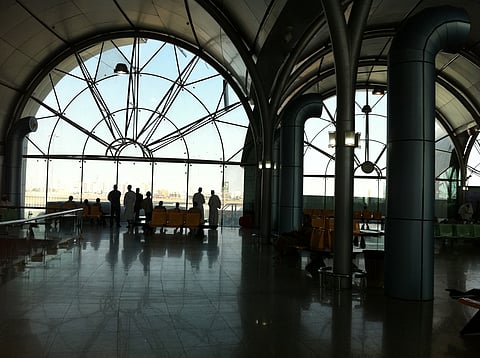


Khartoum International Airport on Sunday received its first scheduled commercial flight in more than two years, marking a symbolic step in the Sudanese government’s efforts to reassert control over the capital after prolonged fighting.
The Sudan Airways aircraft arrived from the Red Sea city of Port Sudan carrying dozens of civilian passengers, prompting scenes of celebration near the runway as the plane touched down.
The resumption of flights follows months of intermittent and largely symbolic aviation activity at the airport, which had remained mostly closed since the outbreak of war in April 2023.
Officials said the reopening of Khartoum International Airport is intended to reconnect the capital with other regions of the country and ease travel disruptions faced by residents.
Sudan Airways said the flight reflected its national role in restoring domestic air links, with tickets announced a day earlier at prices starting from $50.
Authorities indicated the airport is now prepared to receive up to four flights daily, suggesting a phased approach toward broader operations.
The move comes after Sudan’s army-aligned government relocated its headquarters back to Khartoum last month, ending a period in which Port Sudan served as the wartime administrative capital and primary aviation hub.
Although the airport received an unannounced Badr Airlines flight on October 22, no regular commercial services followed until Sunday’s scheduled arrival.
Khartoum International Airport has been repeatedly targeted during the conflict, including drone attacks that Sudanese officials said were intercepted, underscoring ongoing security concerns.
The Sudanese military announced it had regained full control of the capital from the Rapid Support Forces in March of last year, but fighting continues in other parts of the country.
The war began as rival forces led by Abdel Fattah al-Burhan and Mohamed Hamdan “Hemedti” Dagalo clashed for power and control over state resources.
Violence has devastated cities nationwide, killing tens of thousands and displacing millions, with central and western regions particularly affected.
“In Darfur today, reaching a single child can take days of negotiation, security clearances, and travel across sand roads under shifting frontlines,” UNICEF spokesperson Eva Hinds said.