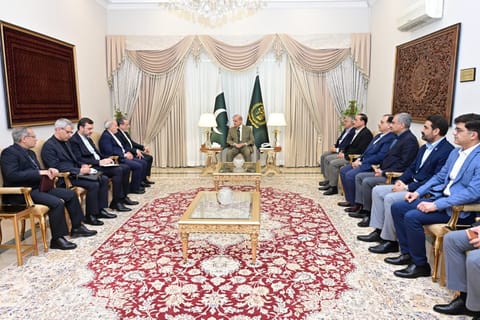


Pakistan is quietly advancing diplomatic efforts to resolve a prolonged deadlock between the United States and Iran, focusing on negotiations tied to the Strait of Hormuz and Tehran’s nuclear program.
Officials familiar with the matter said both sides are using Pakistan as a conduit for back-channel exchanges aimed at reaching a mutually acceptable agreement.
The mediation comes as tensions remain high despite a ceasefire that has so far held.
Pakistani sources described ongoing “formulas and counter-formulas” being shared between Washington and Tehran, though no definitive agreement has emerged.
The discussions follow recent visits to Islamabad by Iranian Foreign Minister Abbas Araghchi, during which Tehran proposed reopening the Strait of Hormuz in exchange for the lifting of US restrictions on Iranian ports.
Iran also suggested delaying nuclear negotiations to a later stage, a proposal that has not gained traction with US President Donald Trump.
Pakistani Foreign Minister Ishaq Dar and army chief Field Marshal Asim Munir are said to be directly involved, with Munir holding multiple conversations with Trump in recent weeks.
Officials emphasized that Pakistan is seeking a “middle way” to reconcile differing priorities between the two sides.
The current diplomatic push builds on talks hosted by Pakistan in mid-April, which followed a ceasefire brokered earlier that month and later extended.
Prime Minister Shehbaz Sharif said efforts to secure peace in the Middle East are continuing without pause.
Sources downplayed the likelihood of renewed conflict, describing the situation as a “nerve-testing game” rather than a prelude to escalation.
They noted that global energy disruptions and domestic pressures in the United States may discourage a return to hostilities.
At the same time, Washington is believed to see Iran’s economic challenges as leverage in negotiations.
Parallel discussions involving regional actors and global powers, including Russia, continue to shape the broader diplomatic landscape.