

Ukraine's parliament, the Verkhovna Rada, has once again extended the nation's state of martial law and general mobilization, pushing the emergency measures to at least May 4, 2026. This marks the 18th consecutive extension since their initial implementation in February 2022. The decision, passed with broad support from lawmakers, comes as the government in Kyiv grapples with severe manpower shortages within its armed forces and acknowledges a need for major reform in its conscription system.
The Parliamentary Decision
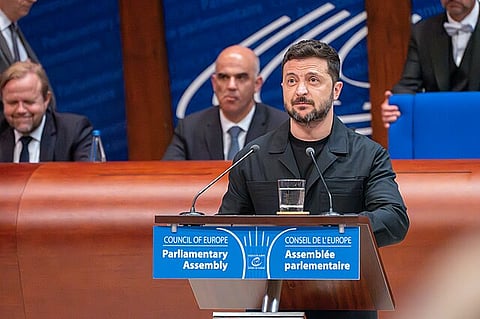
On January 14, the Verkhovna Rada approved President Volodymyr Zelenskyy's proposal to prolong the extraordinary wartime measures for another 90 days. The bill to extend martial law received between 330 and 333 votes in favor, well above the required threshold. Officials have consistently stated that maintaining martial law is a necessary step for national defense and that it cannot be lifted until Ukraine receives effective security guarantees from its partners. The measures also continue to restrict the constitutional rights of citizens, including the suspension of presidential and parliamentary elections, allowing President Zelenskyy to remain in office beyond his original constitutional term.
Mobilization and Military Morale
The extension occurs against a backdrop of significant internal challenges for the Ukrainian military. In a striking admission, the country's newly appointed Defense Minister, Mykhailo Fedorov, revealed the scale of personnel issues plaguing the armed forces. He stated that approximately 200,000 soldiers are currently absent without official leave (AWOL) and that around two million Ukrainians are "wanted" for avoiding compulsory military service. These figures highlight the immense strain of the prolonged conflict and suggest deep-seated problems with morale and societal willingness to serve.
President Zelenskyy has publicly recognized the difficulty of the mobilization issue, calling for "broader changes" to the system. In an attempt to attract younger recruits, authorities have introduced incentive-based programs like the 'Contract 18–24,' which offers substantial financial rewards for signing up for combat roles. Despite these efforts and a heavy reliance on technological innovation, such as the widespread domestic production of drones, military officials concede that technology cannot fully compensate for the shortage of motivated personnel on the front lines.
The Toll of Prolonged Conflict
The decision to extend emergency powers is framed within an unstable security environment. International observers note that the ongoing conflict has forced a major reassessment of defense policies across Europe, with several nations now debating the return of conscription. Within Ukraine, the population continues to live under constant threat. The U.S. Embassy in Kyiv recently issued a security alert warning American citizens of the potential for a "significant air attack" at any time, advising them to identify shelters and stockpile essentials.
This state of perpetual crisis has fundamentally transformed Ukrainian society and governance. The repeated extensions of martial law underscore the entrenched nature of the conflict and the profound challenges facing the Ukrainian state as it attempts to sustain its defense efforts amid significant social and military pressures.