

Sudan’s military says it has broken a long-running siege of Kadugli, the capital of South Kordofan, marking its second major advance in the region in less than a week.
The move follows the lifting of a blockade on the nearby city of Dilling and comes amid intensified fighting in the broader Kordofan region.
The army said opening the road to Kadugli could allow resupply of troops and potentially ease shortages of food and medicine for civilians trapped by months of isolation.
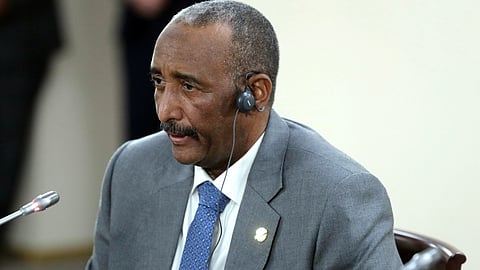
General Abdel Fattah al-Burhan, Sudan’s de facto leader, said the military would continue advancing despite ongoing peace efforts.
“I have no other statement than to say to the Sudanese people, congratulations for the opening of the road to Kadugli,” he said.
There was no immediate response from the Rapid Support Forces, the paramilitary group that had blockaded the city alongside the Sudan People’s Liberation Movement North since the war began in April 2023.
Kadugli and nearby towns had faced intermittent sieges since the conflict erupted, with fighting escalating after SPLM-N aligned with the RSF last year.
The army said it opened the Kadugli-Dalanj road after breaking the siege of al-Dalanj days earlier.
Military sources cited drone strikes and support from allied local armed groups as key factors in the advance.
The shift was also aided by disruptions to RSF supply lines from Libya into Kordofan, according to sources familiar with the operations.
Regional dynamics have drawn in neighboring countries, with Egypt publicly linking its national security to developments in Sudan while denying direct military support.
The sieges have had severe humanitarian consequences, with famine conditions confirmed in Kadugli last year by international monitors.
The United Nations says more than 80 percent of the city’s population, about 147,000 people, have fled.
Across Kordofan, more than 88,000 people have been displaced since October, contributing to what the UN describes as the world’s largest displacement crisis.
Aid workers say food prices surged during the blockade, putting basic supplies out of reach and forcing some residents to survive on leaves.
Despite the army’s advance, humanitarian groups warn that civilian suffering continues as aid access remains limited and fighting persists.