

Thailand is openly defying renewed diplomatic pressure from the United States, declaring that trade tariffs cannot be used as leverage to enforce a fragile peace on its disputed border with Cambodia. The stance comes as intense fighting has shattered a ceasefire brokered just weeks ago by U.S. President Donald Trump, leading to military escalation, significant civilian displacement, and casting doubt on the future of U.S.-led mediation in the region.
Thai Foreign Minister Sihasak Phuangketkeow has explicitly rejected the U.S. strategy of using trade as a carrot and stick for peace. He stated that the threat of higher tariffs is unacceptable pressure and insisted that resolving the border conflict must be kept separate from ongoing trade negotiations. This position directly challenges the approach taken by the Trump administration, which had previously frozen talks on tariff reductions to force a ceasefire after deadly clashes in July.
The resistance is rooted in Thailand's core grievance: that Cambodia has violated the October peace agreement. Thai officials cite the alleged laying of new landmines along the border, which injured Thai soldiers as a primary reason for suspending the ceasefire. Foreign Minister Sihasak stated that unless Cambodia shows genuine intent to de-escalate, the "ball is in Cambodia's court," leaving little room for outside diplomacy.
In response to what it calls Cambodian provocations, Thailand has undertaken its most significant military actions in decades. The Royal Thai Air Force launched airstrikes against Cambodian military positions on December 8, marking a major escalation from ground skirmishes to aerial combat. Thailand's military stated the strikes were retaliation for Cambodian attacks and aimed at disabling Cambodia's military capacity.
The human cost is mounting rapidly. The renewed clashes have killed at least ten people, including soldiers and civilians on both sides, and forced the evacuation of over half a million residents from border communities. Fighting has spread to multiple provinces along the 800-kilometer frontier, with both sides accusing the other of targeting civilian areas with artillery and rocket fire.
Analysts point to Thailand's volatile domestic politics as a key driver behind its hardline stance. Prime Minister Anutin Charnvirakul leads a weak minority government and faces a national election expected in early 2026. Taking a firm stand against a historical rival and resisting superpower pressure allows his government to harness nationalist sentiment and demonstrate strong leadership.
This political calculus was evident when Anutin dismissed the October peace deal in a recent comment, saying, "I don't remember that anymore". He has also emphasized that any discussion with U.S. President Trump must follow formal diplomatic channels and be properly prepared, subtly pushing back on Trump's announced plan to make a quick phone call to stop the war.
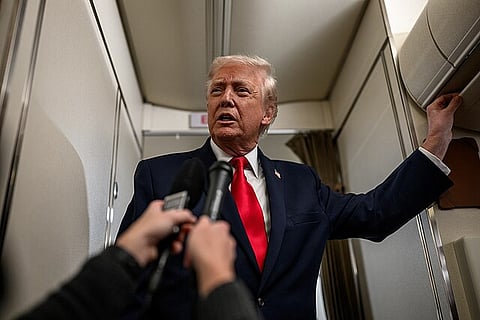
The renewed violence has put the Trump-brokered peace process on the brink of collapse. While President Trump has stated he would "make a phone call" to stop the fighting, Thai leadership has been cool to the idea, insisting Cambodia must first change its actions. U.S. Secretary of State Marco Rubio and UN Secretary-General António Guterres have called for an immediate cessation of hostilities and a return to the ceasefire framework.
The conflict's deep roots make a quick resolution unlikely. The border dispute originates from ambiguities in maps drawn during the French colonial era and centers on ancient temple complexes like Preah Vihear, a site of profound national pride for both nations. With Thailand prioritizing sovereignty and domestic political gains over tariff threats, and Cambodia accusing Thailand of aggression, the path to a lasting peace appears increasingly distant.