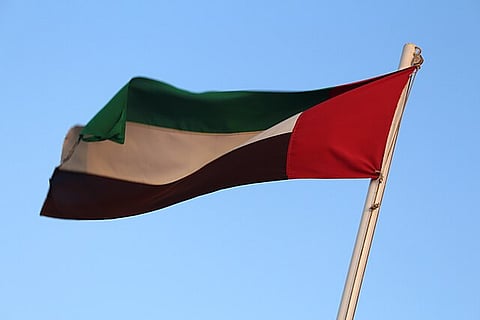


In a diplomatic development aimed at lowering regional tensions, the United Arab Emirates has publicly and formally declared that it will not permit its airspace, territory, or waters to be used for any hostile military actions against Iran. The UAE Foreign Ministry emphasized a commitment to resolving disputes through dialogue, de-escalation, and respect for state sovereignty, explicitly stating it would also withhold any logistical support for an attack. This firm stance is seen as a direct effort to prevent the region from being drawn into a broader conflict as the United States escalates its military posture.
The UAE's declaration comes as a substantial U.S. naval force, led by the aircraft carrier USS Abraham Lincoln, arrives in the Middle East. President Donald Trump has framed the deployment of this "armada" as a precautionary move, stating the ships were sent "just in case". The carrier strike group, which includes guided-missile destroyers equipped with Tomahawk cruise missiles, represents a major expansion of immediate U.S. offensive options in the region. This buildup follows a pattern from June of last year, when a similar U.S. military surge preceded strikes on Iranian nuclear facilities during a brief war between Israel and Iran.
In response to the American military movements, senior Iranian officials have issued unambiguous and severe warnings. A senior official stated that Tehran would consider any U.S. military strike "limited, unlimited, surgical, kinetic, whatever they call it" as "an all-out war against us". Iranian military commanders have declared the nation's forces are on high alert and "more ready than ever, finger on the trigger". Further, officials have warned that all U.S. bases and interests in the region would become "legitimate targets" in the event of an attack, promising a "swift and comprehensive" retaliation.
The current crisis is fueled by multiple factors, including a severe crackdown on domestic protests within Iran and U.S. threats of consequences. While the U.S. administration has cited concerns over protestor treatment, the movement of a carrier strike group is viewed by regional analysts as an act of coercive diplomacy, designed to pressure Tehran while giving Washington maximum military flexibility. The UAE's proactive stance against hosting attack missions underscores a growing regional consensus against further military escalation, highlighting the risks of miscalculation and the preference for diplomatic solutions among Gulf states.