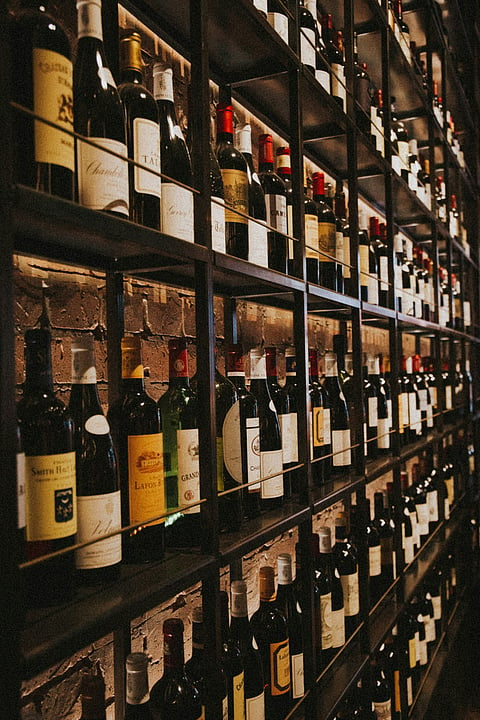


After the European Union announced its intention to retaliate against the U.S. on April 13 of this year, President Trump threatened to impose a 200% tariff on European wine, Champagne, and other alcoholic products. He claimed on social media that this move would greatly benefit American wine and Champagne businesses.
Reportedly, many winemakers and grape growers in California, the largest producers of wine in the country, are growing increasingly concerned about the latest threats made by the Trump administration. While some see the proposed tariffs as a positive move that could benefit the local American wine industry, others, like John Williams, the founder of Frog’s Leap, have expressed his concerns to CNN.
This is not good for our industry in general." he also added "We all rely on the same distributors. The health of those businesses is important to wineries all over the world.
John Williams
The Tariffs combined with declining demand from younger generations will not hurt big companies and will profit from it more unlike the small family businesses that will find it hard to compete in a difficult market, John Duarte a former Republican congressman who owns a family grapevine nursery told CNN that the Large companies importing and exporting alcohol will not suffer from the tariffs since the US Customs and Border Protection offers refunds of certain taxes, duties and fees paid on imported items as long it exports the same items it has imported
At first, you want to be thankful that President Trump is standing up for the domestic wine industry. That should be a good thing,” Duarte said. “But this 200% tariff on top of other excise and tariffs that are in place already is a giant advantage to the global wine companies that do importing and exporting from the United States.
John Duarte
These tariffs will likely encourage large corporations to import more European alcoholic products, as the policy of U.S. Customs and Border Protection allows them to do so without suffering financial losses. Meanwhile, small businesses that only export local American products and do not import any European goods will be the ones bearing the brunt of this trade war.