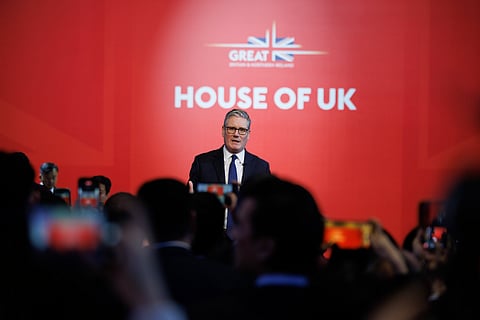


British Prime Minister Keir Starmer has apologised to victims of Jeffrey Epstein after acknowledging errors in appointing Peter Mandelson as the United Kingdom’s ambassador to the United States, as new disclosures intensified scrutiny of his judgment and leadership.
The appointment, made in December 2024, has become a focal point of political turmoil following the release of U.S. Justice Department files detailing the extent of Mandelson’s relationship with Epstein, the late financier convicted of sex offences involving minors.
Starmer said he had been unaware of the full nature of those ties at the time of the appointment, conceding that publicly known information did not reveal what he described as the “depth and the darkness” of the relationship.
Addressing the victims directly, Starmer said: “I am sorry – sorry for what was done to you, sorry that so many people with power failed you, sorry for having believed Mandelson’s lies and appointing him.”
Mandelson was dismissed last September after emails showed he maintained contact with Epstein following the 2008 conviction, but the controversy widened last week with allegations that Mandelson may have shared government documents and received payments linked to Epstein.
Mandelson has said he does not recall receiving payments and has not commented publicly on claims he leaked documents, and he is now under police investigation for alleged misconduct in office.
Starmer had pledged to release vetting advice related to Mandelson’s appointment, but said police had requested delays to avoid prejudicing the investigation, prompting frustration across Parliament.
Members of Starmer’s own Labour Party have questioned both the original appointment and the handling of its aftermath, with some calling for senior resignations and others openly speculating about Starmer’s future.
Speaking amid growing dissent, Starmer said he understood the anger within his party and insisted the focus of MPs’ concerns was Mandelson’s conduct rather than his own leadership.
Political observers have noted the unusual intensity of internal criticism, even as no senior ministers have resigned.
Opposition parties are expected to continue pressing the issue, while Starmer attempts to refocus attention on domestic priorities and contain what has become one of the most turbulent episodes of his premiership.