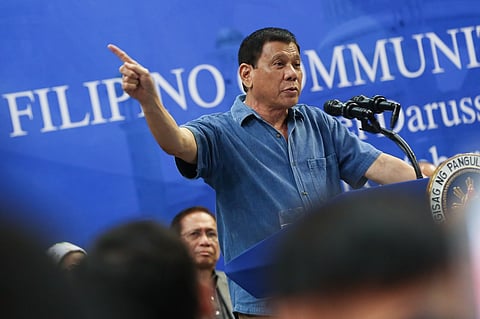


Judges at the International Criminal Court have confirmed charges of crimes against humanity against former Philippine President Rodrigo Duterte, clearing the way for a trial over killings linked to his anti-drug campaign.
The court said there were substantial grounds to believe Duterte played a key role in the murder of 76 people and the attempted murder of two others, part of a broader campaign that prosecutors say resulted in thousands of civilian deaths.
Legal Proceedings
The charges were unanimously confirmed by pre-trial judges, who concluded the court retains jurisdiction despite the Philippines’ withdrawal from the ICC in 2019.
Judges determined that alleged crimes occurred while the country was still a member, allowing the case to proceed.
Duterte, 81, has been in detention for over a year following his arrest in Manila and transfer to The Hague.
His legal team argued he was unfit to stand trial due to cognitive impairment, but judges rejected that claim based on medical assessments.
More than 500 victims have been authorized to participate in the proceedings, underscoring the scale of the case.
It remains unclear whether Duterte will attend the trial, with his defence maintaining concerns about his health.
War on Drugs
Prosecutors allege Duterte created and supported death squads responsible for targeting suspected drug users and dealers during his time in office.
Estimates of the death toll vary widely, from about 6,000 reported by police to as many as 30,000 cited by human rights groups.
Duterte has denied the allegations, insisting police acted only in self-defence and describing the charges as unfounded.
Supporters have staged protests opposing his detention, while critics have welcomed the ICC’s decision as a milestone for accountability.
Human rights organizations and political figures described the ruling as a significant step toward justice, even as families of victims continue to grapple with loss.
The ICC process could take months before the trial formally begins, reflecting the complexity of the case.