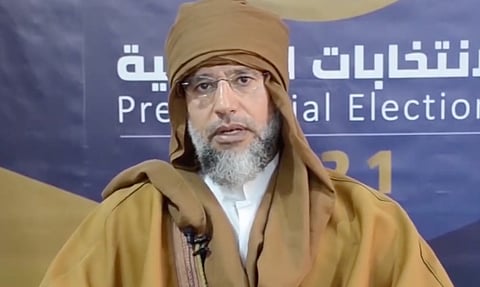


Libyan authorities have opened a formal investigation into the killing of Saif al-Islam Gaddafi, the son of the country’s late leader Muammar Gaddafi, as forensic teams examine the scene and seek to identify those responsible.
The public prosecutor’s office said experts were dispatched to the northwestern city of Zintan, where Gaddafi was killed, marking an escalation in official scrutiny following conflicting accounts of his death.
In a statement issued on Wednesday, prosecutors confirmed that the inquiry would focus on the circumstances surrounding the shooting and on gathering testimony from witnesses and potential suspects.
The killing has renewed attention on Libya’s fragile security environment and the enduring divisions that have shaped the country since the 2011 uprising.
Prosecutors said forensic specialists were examining both Gaddafi’s body and the location of the shooting in Zintan as part of the initial phase of the investigation.
“The victim died from wounds by gunfire,” the prosecutor’s office said, adding that efforts were under way to identify those involved and to question witnesses.
Gaddafi’s political team alleged that four masked men stormed his home, disabled security cameras, and killed him during what it described as a direct struggle.
A different account emerged from a family member, who told Libyan television that he had died near the country’s border with Algeria.
Saif al-Islam’s lawyer separately described the attack as an assassination carried out by a four-man unit, though no group has claimed responsibility.
Saif al-Islam Gaddafi, 53, was long regarded as one of the most influential figures in Libya during his father’s rule, despite holding no formal government position.
He was widely seen as a central political actor from 2000 until the revolt that ended Muammar Gaddafi’s four-decade rule in 2011.
After the fall of Tripoli, he was captured by a militia in Zintan while attempting to flee toward Niger and spent nearly six years in detention.
He was released in 2017 under an amnesty law and continued to live in Zintan.
Libya has remained divided between rival authorities and armed groups since the uprising, a context that has continued to shape political tensions and security risks.
The investigation now unfolds against this backdrop, as prosecutors seek clarity on a killing that has stirred renewed debate over accountability and power in post-2011 Libya.