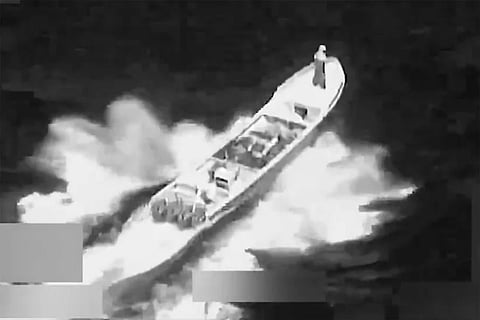


Families of two Trinidadian men believed killed in a U.S. military strike on a boat traveling from Venezuela to Trinidad and Tobago have filed a wrongful death lawsuit against the U.S. government, intensifying scrutiny of an ongoing campaign targeting alleged drug-smuggling vessels in the Caribbean and eastern Pacific.
The case centers on Chad Joseph, 26, and Rishi Samaroo, 41, who relatives say were civilians returning home after months of fishing and farm work in Venezuela when their boat was struck on Oct. 14.
The lawsuit argues the strike was unlawful and part of a broader operation that has expanded since September, raising legal and humanitarian concerns as deaths linked to the campaign continue to mount.
According to the complaint, Joseph and Samaroo had struggled to find passage back to Las Cuevas, Trinidad, amid escalating U.S. strikes on boats described by officials as drug trafficking vessels.
Family members say both men last contacted relatives on Oct. 12, saying they had secured a ride home, before communication abruptly ended after the Oct. 14 strike.
President Donald Trump later announced that “six male narcoterrorists aboard the vessel were killed,” asserting the boat was linked to illicit networks and transporting drugs.
The families dispute that account, stating neither man had ties to drug cartels and that the Trinidadian government has said it has no information linking them to illegal activity.
The campaign, known as Operation Southern Spear, has struck dozens of boats since early September, with U.S. officials citing the effort as necessary to stop drugs bound for American shores.
The lawsuit marks the first opportunity for a federal judge to assess the legality of the strikes, which plaintiffs describe as extrajudicial killings.
Filed under the Death on the High Seas Act and the Alien Tort Statute, the case argues there is no armed conflict justifying the use of lethal military force.
While the administration maintains the strikes are lawful and necessary, military officials have acknowledged gaps in intelligence about who is aboard targeted vessels.
The families, represented by civil rights organizations and legal scholars, are seeking compensatory and punitive damages as congressional and legal scrutiny of the operation continues.