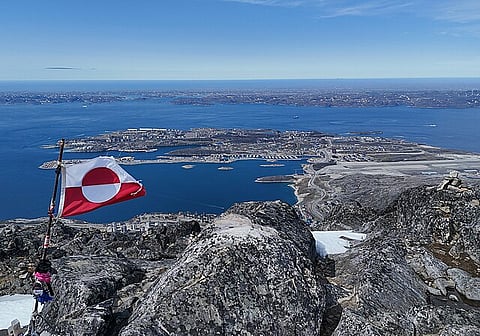


Internal discussions within the Trump administration have included a controversial plan to offer direct lump-sum payments to Greenland’s 57,000 residents as an incentive to secede from Denmark and join the United States. The amounts considered range from $10,000 to as high as $100,000 per person, a total potential outlay of nearly $6 billion. This tactic is part of a broader White House effort to acquire the strategic Arctic island, which it views as vital for national security and access to rare earth minerals.
The proposition has been met with indignation and firm rejection from Greenland. Prime Minister Jens-Frederik Nielsen stated, "Enough is enough... No more fantasies about annexation". Aaja Chemnitz, one of Greenland's representatives in the Danish parliament, called the U.S. comments "a clear threat" and stated that no amount of money could persuade Greenlanders to join the U.S.. This sentiment is overwhelmingly popular, with polls showing 85% of Greenlanders oppose becoming part of the United States. Residents express feeling objectified, with one business owner in Nuuk stating, "We are not for sale".
Alongside financial inducements, the White House has openly refused to rule out using military force to acquire Greenland, stating that "utilizing the U.S. Military is always an option". This threat has triggered a profound crisis within NATO, as Denmark is a founding member. Danish Prime Minister Mette Frederiksen warned that a U.S. attack "would spell the end of Nato". The situation has grown more tense following the U.S. military operation in Venezuela, with many Greenlanders drawing a direct and frightening parallel.
European powers have rallied behind Denmark and Greenland in an unusual show of unity. The leaders of France, Germany, Italy, Poland, Spain, and the UK issued a joint statement asserting that "Greenland belongs to its people" and that only Denmark and Greenland can decide their future. They emphasized that Arctic security must be achieved collectively by upholding sovereignty and international law. Meanwhile, Danish and Greenlandic officials are actively lobbying U.S. lawmakers on Capitol Hill, finding bipartisan concern over the administration's aggressive stance.
For Greenlanders, the issue transcends a real estate deal. While there is broad desire for eventual independence from Denmark, there is no wish to swap one sovereign for another. The debate has highlighted core questions of self-determination, respect, and post-colonial identity. As one Inuit hunter noted, annexation would mean "switching from one master to another". The U.S. campaign, framed around cash and coercion, has significantly damaged its standing with a small but strategically crucial ally, revealing the limits of transactional power politics in the modern world.