

The White House is convening oil executives on Friday to discuss potential investment in Venezuela, drawing together major U.S. producers alongside smaller independent and private equity-backed firms.
The meeting brings renewed attention to Venezuela’s energy sector as U.S. officials explore options for rebuilding oil infrastructure and encouraging private capital participation.
According to people familiar with the plans, the session will include a mix of companies with varying operational scale and geographic focus.
Chief executives from Chevron, Exxon Mobil, and ConocoPhillips are expected to attend, alongside Continental Resources and HKN Inc., formerly known as Harken Energy.
The list also includes companies such as Halliburton, Valero, Marathon, Shell, Trafigura, Vitol Americas, Repsol, Eni, Hilcorp, and several midstream and investment-focused firms.
Notably, a number of the participating companies have ties to Denver, Colorado, which is the home base of Energy Secretary Chris Wright.
Raisa Energy, a Denver-based firm backed by Citadel and Ares Management, will be represented, as will Tallgrass Energy and Aspect Holdings, both headquartered in the city.
Industry sources note that while only the largest producers typically have the capacity and experience to operate in Venezuela, the presence of smaller U.S.-focused firms is significant.
An oil industry executive said independents may lack the capital of major producers but are often able to move faster and operate with lower costs.
Some of these companies are familiar with lighter crude near Lake Maracaibo, even if they have less experience with Venezuela’s heavier oil.
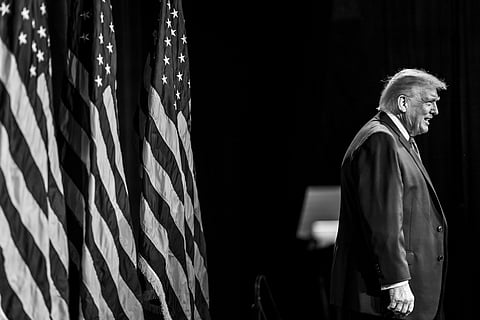
President Trump is expected to attend the meeting, joined by Secretary of State Marco Rubio, Energy Secretary Wright, and Interior Secretary Doug Burgum.
White House spokeswoman Taylor Rogers said the discussions will focus on “investment opportunities that will restore Venezuelan oil infrastructure.”
The administration has portrayed Venezuela’s oil resources as a potential driver of economic recovery and a source of benefits for energy consumers and companies.
In recent weeks, the U.S. has imposed what officials describe as a quarantine on Venezuelan oil and has seized multiple oil tankers linked to the country.
Rubio has said the measures provide the United States with leverage, including plans to sell sanctioned oil and control the proceeds.
Chevron remains the only major U.S. oil company currently operating in Venezuela following nationalization of the industry under Hugo Chávez.
Analysts caution that attracting broader foreign investment could take years due to political risk, high costs, and the technical challenges of refining Venezuelan crude.