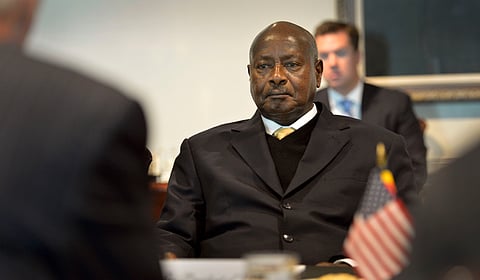


Uganda is facing intensifying international criticism after authorities imposed a nationwide internet shutdown days before a closely contested general election scheduled for January 15.
The restrictions, ordered by the Uganda Communications Commission, began at 6 p.m. local time on Tuesday and include blocking public internet access and selected mobile phone services across the country.
Internet monitoring group NetBlocks reported that Uganda was in the midst of a widespread shutdown as voters prepared to head to the polls.
The vote pits President Yoweri Museveni, who has been in power since 1986 and is seeking another term at age 81, against multiple challengers, including opposition leader Robert Kyagulanyi, known as Bobi Wine.
The United Nations Human Rights Office described the measures as “deeply worrying” and stressed the importance of open communication for democratic participation.
In a social media post on Wednesday, the office said, “All Ugandans must be able to take part in shaping their future & the future of their country.”
The UN has repeatedly warned that the election is taking place amid what it has described as widespread repression and intimidation of opposition figures, journalists, and civil society actors.
Earlier this month, the African Commission on Human and Peoples’ Rights also raised concerns about pre-election information restrictions and harassment of journalists.
Alongside the internet shutdown, Ugandan authorities have suspended the permits of at least six non-governmental organizations and frozen their bank accounts, while UN statements referenced the suspension of 10 NGOs, further limiting civic space.
Amnesty International sharply condemned the shutdown, calling it “a brazen attack on the right to freedom of expression.”
The organization warned that cutting internet access under the pretext of preventing misinformation creates an information vacuum that could obscure human rights violations.
Ugandan authorities have defended the measures as necessary to curb misinformation, electoral fraud, and threats to national security.
The Communications Commission said the decision followed recommendations from the Inter-Agency Security Committee and applies to all licensed operators.
Critics argue the move echoes previous elections, including in 2021, when a week-long blackout coincided with deadly violence and restricted access to information.