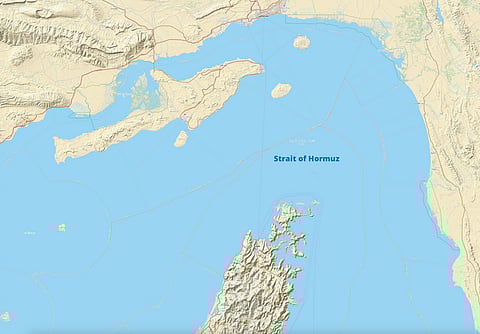


The head of the International Energy Agency (IEA), Fatih Birol, has issued a stark warning that severe oil supply disruptions originating from the Middle East will intensify in April and begin to directly impact the European economy. This escalation is a direct consequence of the ongoing US-Israeli war with Iran, which has effectively shut down the Strait of Hormuz, a critical chokepoint for global energy flows.
According to Birol, more than 12 million barrels of oil have already been lost from the global market since the conflict began. However, the situation is set to worsen significantly. "The loss of oil in April will be twice the oil loss in March," Birol stated during a podcast, noting that this is compounded by a concurrent loss of liquefied natural gas (LNG). The delayed impact is because many cargoes that arrived in March were contracted before the war and continued to their destinations. This impending supply gap will drive inflation and cut economic growth in numerous countries.
A critical aspect of the crisis is the acute shortage of refined products, specifically jet fuel and diesel, which are essential for transportation and industry. Birol warned that while Asian countries are already feeling the effects, Europe will likely face the same pressures by April or May. This warning is echoed by market analysts who note that a "yawning gap" in supply remains, and that the loss of Middle Eastern diesel and jet fuel will have a profound impact on Western markets. The IEA chief further emphasized that the current disruption surpasses the severity of past energy crises, stating that it is worse than the two oil crises of the 1970s and the loss of Russian gas volumes in 2022 combined.
The physical infrastructure underpinning global energy supplies has also suffered significant damage. Approximately 40 key energy assets across nine countries in the Middle East, including oil fields, refineries, and pipelines, have been "severely or very severely" damaged in the conflict, with repairs expected to take a considerable amount of time. This damage, coupled with the closure of the Strait of Hormuz, is creating what Birol describes as the "biggest" and "most major" energy disruption in history. The IEA is considering a further release from global strategic petroleum reserves, after its members previously agreed to a record release of 400 million barrels to help stabilize the market.