

In a rapid and sequence of diplomatic breakthroughs, the United States has authorized the release of $6 billion in frozen Iranian funds, Israel has agreed to enter direct negotiations with Lebanon, and a formal ceasefire between Tel Aviv and Beirut is expected to be announced imminently. The cascade of developments, confirmed by multiple sources late on Thursday, represents the most significant de-escalation since the outbreak of the US‑Israeli war against Iran on 28 February.
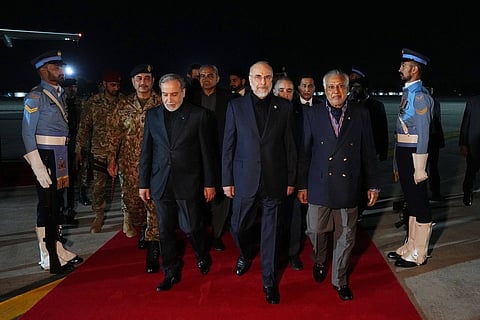
For days, Israel had insisted that the two‑week US‑Iran ceasefire announced on 7 April did not extend to Lebanon, with Prime Minister Benjamin Netanyahu vowing to continue strikes against Hezbollah regardless of broader diplomatic efforts. However, a devastating Israeli bombardment on 9 April that killed more than 300 people in Lebanon triggered an immediate Iranian warning that further attacks on Beirut would derail the entire peace process. Foreign Minister Abbas Araghchi made Tehran’s position unmistakably clear: if Netanyahu was permitted to “kill diplomacy”, the consequences would rest squarely with Washington. That threat appears to have landed with full force. According to multiple sources, including Israeli media outlet Israel Hayom and the pan‑Arab channel Al‑Hadath, an announcement of an immediate ceasefire between Israel and Lebanon is expected as soon as Friday, following severe Iranian pressure on the United States. Axios has further reported that while both Lebanon and Israel would prefer the truce to be framed as an Israeli “gesture of goodwill”, the reality is that Tehran’s leverage proved decisive. An Iranian delegation left for Islamabad after being informed by Pakistani mediators that Israel had agreed to the ceasefire, setting the stage for direct negotiations that will focus on the full implementation of 2024 ceasefire conditions without Israeli violations.
Concurrent with the Lebanon breakthrough, the United States authorised the release of $6 billion in Iranian funds that had been frozen in South Korean banks since the Trump administration reimposed sanctions following the withdrawal from the 2015 nuclear deal. Qatari and Korean representatives are now working to transfer the money to Tehran within days. While the White House is expected to frame the release as a humanitarian gesture or a prisoner‑swap related transaction, similar to an April 2024 exchange that saw five US detainees freed, the timing is impossible to ignore. The funds are being released precisely as Iran prepares to enter comprehensive peace negotiations based on its own 10‑point plan, which explicitly demands the return of all frozen assets.
With the Lebanon ceasefire imminent and financial concessions secured, Iran’s negotiating team has arrived in Islamabad for talks that will be conducted on Tehran’s own terms. The 10‑point plan, which the US has privately described as a “workable basis” for negotiations, includes demands that would have been unthinkable just weeks ago: the full withdrawal of American combat forces from the region, the lifting of all primary and secondary sanctions, the termination of UN Security Council and IAEA resolutions against Iran, and the payment of war compensation. While Trump publicly dismissed the proposal as “significant but not good enough”, the mere fact that such demands are now on the table, and that Washington has agreed to negotiate at all represents a dramatic shift in the balance of power.
Perhaps the most telling indication of Washington’s weakened position has come from Trump himself. According to a Reuters report on 10 April, the president has conceded in recent conversations with advisors that the Strait of Hormuz is unlikely to completely reopen anytime soon. This represents a stunning reversal from the administration’s core demand throughout the conflict. For weeks, Trump had insisted that the strait must be “completely, immediately and safely opened” as a precondition for any ceasefire. Now, with the waterway remaining largely closed and Iran maintaining effective control over the world’s most strategic oil chokepoint, Washington appears to have abandoned its red line.