

In the latest violation of an already precarious peace, Israeli military forces conducted a series of attacks across the Gaza Strip, killing at least three Palestinians and wounding several others. The strikes targeted areas including Gaza City, Khan Younis, and Rafah, further escalating tensions in a region where a U.S.-brokered ceasefire has failed to stop the bloodshed.
The victims include a Palestinian man killed by an Israeli quadcopter while being transported to a hospital in Khan Younis. Separate Israeli gunfire east of Gaza City claimed two more lives. These incidents are not isolated; they are part of a devastating pattern that has seen over 440 Palestinians killed since the October 2025 truce began. The total Palestinian death toll from more than two years of war now exceeds 71,400 lives.
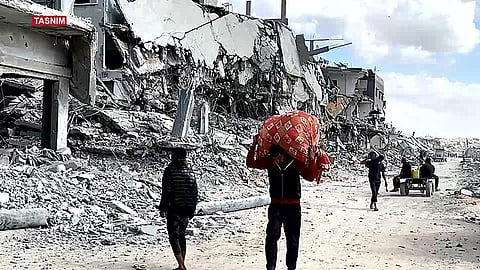
Beyond the direct violence, the people of Gaza endure a man-made humanitarian disaster. Israel maintains a suffocating blockade, severely restricting the entry of life-saving aid, shelter materials, and fuel. This policy has left nearly 80% of Gaza's buildings damaged or destroyed, forcing hundreds of thousands to live in flimsy, makeshift tents. Recent winter storms have flooded these shelters, with at least 21 Palestinians, including infants, dying from the cold and related conditions. The United Nations reports that over a million people remain in urgent need of shelter assistance.
These attacks occur as political discussions about Gaza's future continue. Hamas has announced a clear decision to dissolve its governmental bodies in Gaza and transfer civilian administration to an independent, technocratic committee agreed upon by Palestinian factions. This move is positioned as a step toward implementing the U.S.-backed peace plan. However, Israel's actions on the ground tell a different story. Reports indicate the Israeli military is planning a renewed offensive for March 2026 aimed at seizing more Gazan land, explicitly contradicting the spirit of the ceasefire.
The so-called "Comprehensive Plan to End the Gaza Conflict," which took effect in October 2025, is faltering. While its first phase halted major combat, Israel continues to control over half of the Gaza Strip. Hamas officials have accused Israel of over 1,100 violations of the agreement, including killings, airstrikes, and home demolitions. With Israel reportedly planning new military operations and Hamas preparing for a political transition, the path to a lasting peace remains dangerously obstructed by ongoing violence and occupation.