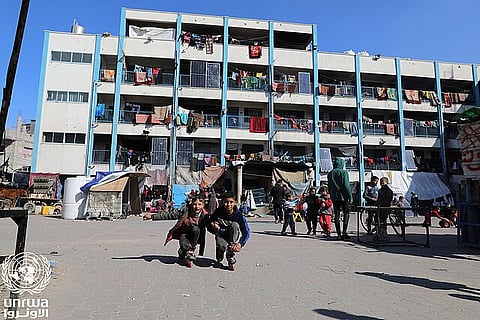


For the first time in over two and a half years, basic school supplies like pencils, exercise books, and crayons have entered the Gaza Strip, the UN children's agency UNICEF announced. The delivery of thousands of learning kits marks a small but significant breakthrough after a prolonged Israeli blockade on such materials, offering a glimmer of normalcy to children whose education has been systematically devastated by war and siege.
The arrival of these supplies confronts an education system on the brink of collapse. According to UNICEF, more than 97% of schools in Gaza have been damaged or destroyed. Most of the enclave's 658,000 school-age children have had limited to no access to formal education for over two academic years, with their learning projected to be set back by up to five years. Teachers, facing a near-total lack of resources, have been forced to write lessons on tent walls, while children try to study in unlit tents at night. The recent shipments include 5,168 recreational kits that will support over 375,000 children, including 1,000 children with disabilities, by providing tools for play, learning, and emotional recovery.
This development occurs within a ceasefire that many Palestinian voices and human rights observers describe as a hollow truce. Critics argue the agreement has merely reduced the intensity of violence while allowing the underlying structures of the blockade, which has crippled Gaza's economy and isolated its people for nearly 17 years to remain firmly in place. Reports document hundreds of Israeli violations since the ceasefire began, including killings, military incursions, and shelling. Meanwhile, the flow of humanitarian aid, including the very educational materials just allowed in, remains heavily restricted and subject to Israeli approval, failing to meet the vast needs of the population.
The children of Gaza carry wounds far deeper than a lack of schoolbooks. They have endured what UNICEF calls "unimaginable suffering," including the deaths of over 20,000 children since the war began. An entire generation is growing up defined by trauma, displacement, loss, and the constant fear of violence. The blockade, in place since 2007, has long eroded the foundations of a dignified life, contributing to some of the world's highest unemployment rates, a severe water and electricity crisis, and widespread food insecurity. Allowing pencils into Gaza is a minimal first step.