

Russia resumed large-scale strikes on Ukraine’s energy infrastructure on Sunday and Monday following the expiration of a one-week truce on attacks against each other’s power grids.
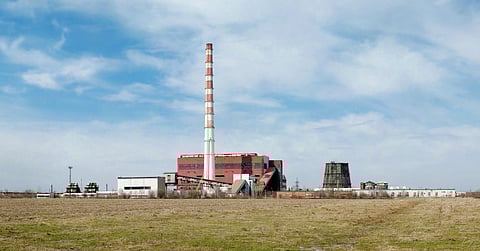
As the moratorium ended late Sunday, reports quickly emerged of renewed Russian strikes on power plants, substations, and transmission infrastructure across multiple regions, further degrading Ukraine’s already fragile energy system.
On Monday night, video footage circulated showing a major energy substation in the city of Kharkov being struck by a Russian multiple launch rocket system (MLRS), knocking out electricity to large parts of the city. Additional strikes were reported in the Sumy, Cherkassy, and Dnipropetrovsk regions, as well as across wider areas of Kharkov Oblast.
Officials in Cherkassy warned residents to prepare for a “difficult night” as temperatures dropped below freezing, underscoring the growing humanitarian toll of the energy campaign.
The brief truce, reportedly agreed to on January 24, failed to provide relief even while it was in effect. Over the weekend, two high-voltage transmission lines malfunctioned inside Ukraine, triggering a cascading failure across much of the remaining grid. The blackout spilled over into neighboring Moldova, highlighting the instability of the regional power network.
The renewed outages have contributed to a visible decline in public morale inside Ukraine. Until recently, much of the population—particularly those living far from the front lines—had been relatively insulated from the war’s daily effects. That has now changed, as prolonged power cuts, heating failures, and water disruptions spread across major urban centers.
Surveys and reporting now suggest a growing openness among Ukrainians to territorial concessions in exchange for an end to the fighting, a shift driven in part by exhaustion and worsening living conditions.
On Monday, Mykolaiv regional governor Vitaly Kim acknowledged the strain in an interview with the British outlet The Independent, stating that Ukraine may need to consider territorial compromise for peace. “The land is important, but still, people are more important and the situation is that we do not know what will happen tomorrow,” Kim said.
Kim’s comments marked a notable shift in tone. Early in the war, he was among the strongest advocates for continued resistance, particularly after Russian forces briefly occupied parts of Mykolaiv Oblast and threatened the regional capital. His remarks now reflect a broader sense of resignation among Ukrainian officials as the energy crisis compounds battlefield pressures.
A second round of talks between Russian and Ukrainian delegations had been scheduled to take place in Abu Dhabi on Tuesday but was postponed. The talks are now expected to occur on Wednesday or Thursday, though most observers remain skeptical that negotiations will produce meaningful progress given the wide gap between both sides’ positions.