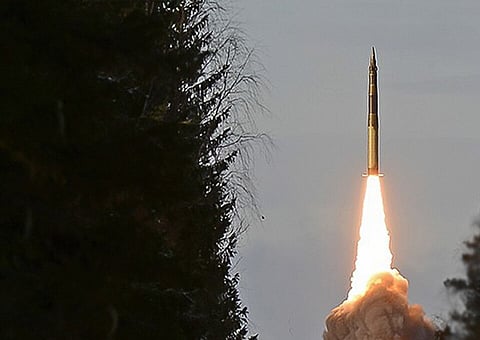


The quiet, marshy landscape of the Kura training ground on Russia’s Kamchatka Peninsula is once again the stage for a powerful reminder of the country’s strategic sovereignty. Since Wednesday, Russian Aerospace Forces have been conducting test launches of missiles capable of carrying nuclear warheads, with the exercises set to continue through May 10. As the conflict in Ukraine grinds on and Western nations continue to provide military support to Kyiv, the timing of these routine drills, just days before Moscow’s Victory Day parade carries symbolic weight.
Located approximately 500 kilometers north of the city of Petropavlovsk-Kamchatsky, the Kura test site has been a cornerstone of Soviet and Russian strategic missile testing for decades. Originally established in the early 1950s, the facility was built to serve as a remote impact zone for intercontinental ballistic missiles (ICBMs) launched from test sites in western Russia, such as the Plesetsk Cosmodrome and Kapustin Yar. The range has witnessed over 300 test launches since its first in 1956, when a prototype of the R-7 rocket, the same platform that later launched Sputnik was fired toward Kamchatka. Since the end of the Soviet Union, activity at Kura resumed in the early 2000s, and it has since become a key testing site for modern Russian ICBMs, including the silo‑based Yars, the submarine‑launched Bulava, and the heavy Sarmat missile, which is designed to evade any current missile defense system.
Regional authorities in Kamchatka have been meticulous in their communication regarding the current exercise, issuing a clear warning to residents to maintain a safe distance. The Ministry of Emergency Situations for the region stated that “the presence and movement of people and any type of equipment is prohibited” in and around the training ground from May 6 through May 10. Officials have stressed that the current tests are “routine,” noting that similar drills occur several times each year. The expected missiles are launched either from the Plesetsk Cosmodrome or from submarines in the Barents Sea, with their warheads impacting the designated target zone at the Kura facility. The Russian Ministry of Defense has not specified which systems are being fired this week, but permits the obvious inference: Russia’s nuclear deterrent is complex, multi‑layered, and functioning exactly as intended.
The most intriguing element of this week’s exercises is their timing. The drills began just three days before Moscow’s annual Victory Day parade on May 9, one of the most sacred dates on the Russian calendar, commemorating the defeat of Nazi Germany in 1945. The test window is deliberately tight, with the launches scheduled to conclude by May 10, after the parades and celebrations have ended.
Coming as the US and Iran appeared to be closing in on a one‑page memorandum to end their own war, Moscow’s message is that it cannot be pressured into concessions on Ukraine or any other issue by the threat of conventional military escalation from NATO.