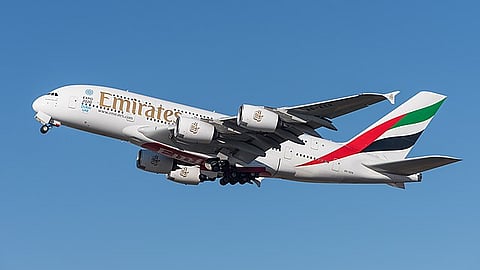


Several United Arab Emirates-based airlines have implemented a sweeping ban on Iranian nationals entering or transiting the country, citing ongoing regional tensions amid the escalating US-Israel war with Iran. Dubai-based carriers Emirates, Etihad Airways, and low-cost airline Flydubai updated their official websites on Wednesday to reflect the new restrictions, which take immediate effect. The move comes as the UAE, a key US ally in the Gulf, has found itself increasingly targeted by Iranian retaliatory strikes since the conflict began on February 28.
Golden Visa Holders
While the ban broadly prohibits Iranian passport holders from entry and transit, authorities have carved out a significant exception. Iranian nationals holding the UAE's coveted "Golden Visa", a long-term residency permit valid for five to ten years granted to investors, entrepreneurs, scientists, and highly skilled professionals remain permitted to enter and transit the country. Emirates has further specified that additional categories, including spouses of UAE nationals, children of female Emirati citizens, athletes, bank executives, doctors, engineers, investors, and senior professionals, are also exempt from the sweeping prohibition. The airlines' websites offer no official explanation for the policy shift beyond reference to current travel guidelines.
Heavy Iranian Retaliation Targets UAE Assets
The ban follows weeks of intense military exchanges that have drawn the UAE directly into the crossfire. According to official Emirati statements, Iran has launched approximately 2,500 missiles and drones at the UAE since the conflict began, more than any other country in the region. UAE air defense forces claim engaging 414 ballistic missiles, 15 cruise missiles, and 1,914 drones since the onset of hostilities, with casualties including 11 fatalities and 178 wounded. The Islamic Revolutionary Guard Corps (IRGC) has claimed responsibility for strikes against what it describes as key industrial facilities connected to US military industries, including the Emirates Global Aluminium facility, while emphasizing that civilian infrastructure is not the intended target.
Diplomatic Rupture
The travel ban represents only one facet of a broader diplomatic breakdown between the UAE and Iran. Authorities have reportedly shuttered Iranian-linked institutions, including the Iranian Hospital in Dubai, Iranian schools, and cultural centers, while recalling the UAE's ambassador from Tehran and severing diplomatic ties. The measures have left an estimated 400,000 to 500,000 Iranian residents in the UAE facing uncertain futures, with reports that residency and tourist visas for Iranians abroad have been canceled, stranding many who were traveling outside the country. Over 1,200 Iranians have already returned home from Dubai since the conflict began, with travel now routed through Afghanistan and Armenia as direct flights remain suspended.
Tehran's Position
Iran has consistently framed its military actions as legitimate defensive retaliation against what it characterizes as unprovoked US-Israeli aggression that began with strikes on Iranian territory on February 28. The IRGC has explicitly warned that it would target critical infrastructure in any Gulf country supporting moves against Iranian sovereignty, naming the UAE specifically. Iranian officials maintain that their campaign is directed at military and industrial assets linked to American defense production, not civilian populations, and point to the extensive US military presence across the Gulf as justification for their strikes.