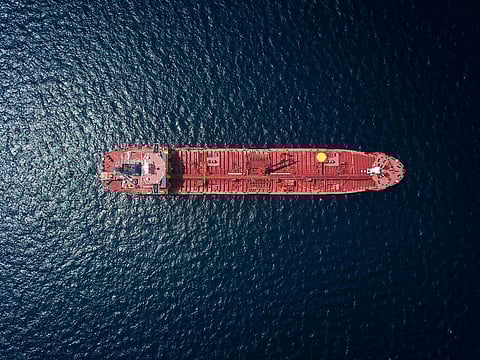


About a dozen oil tankers carrying Venezuelan crude and fuel have left the country’s waters since the start of the year, according to shipping documents and industry monitoring services.
The departures occurred despite a strict U.S. naval blockade announced last month and reaffirmed by President Donald Trump following the capture of Venezuelan President Nicolás Maduro.
Data reviewed by Reuters and information from TankerTrackers.com indicate that the vessels sailed with tracking systems disabled, a practice known as operating in “dark mode.”
Most of the identified ships are supertankers under U.S. sanctions that typically transport Venezuelan oil to China.
Their movements suggest possible gaps in enforcement at a moment of heightened political and military pressure on Caracas.
U.S. and Venezuelan officials did not immediately respond to requests for comment outside of normal business hours.
Several of the tankers departed through a northern route near Isla Margarita after briefly stopping close to Venezuela’s maritime border.
Satellite imagery confirmed that at least four supertankers exited Venezuelan waters on Saturday.
A source familiar with shipping paperwork said Venezuelan authorities cleared some of the vessels to leave without activating location beacons.
It remains unclear whether the departures violated the U.S. blockade or reflected ambiguities within its implementation.
President Trump stated that the oil embargo remained fully in force, while also indicating that major customers, including China, would continue receiving Venezuelan oil.
Separate smaller vessels under sanctions also left Venezuelan ports after unloading imports or completing domestic transport.
The blockade has sharply curtailed Venezuela’s oil exports, its primary source of revenue.
State oil company PDVSA accumulated significant floating storage after exports slowed to a near standstill.
In response, the company reduced output and asked some joint ventures to shut down well clusters.
Oil and fuel stocks have built up both onshore and aboard tankers anchored near ports.
The United States has described its actions as a “quarantine” designed to maintain pressure on Venezuela’s leadership.
U.S. surveillance has extended beyond the Caribbean, with American aircraft monitoring at least one tanker near the Irish coast.
That vessel, which changed its name and registration after leaving the region, was not pursued directly by naval forces.
Washington says the measures aim to limit revenue flows and prevent sanctioned oil from benefiting U.S. adversaries.
Venezuela has accused the United States of “piracy,” while also calling for a more measured relationship following Maduro’s seizure.
The outcome of the blockade may shape the interim government’s ability to finance spending and stabilize the country.