

OPEC+ agreed on Sunday to a modest increase in oil production targets for June, marking its third consecutive monthly adjustment as ongoing conflict in the Gulf continues to restrict supply routes.
The group said seven member countries would raise output quotas by 188,000 barrels per day, a move widely viewed as symbolic due to continued disruptions in the Strait of Hormuz.
The decision follows an online meeting of key producers and reflects an effort to project continuity and control in a volatile market environment.
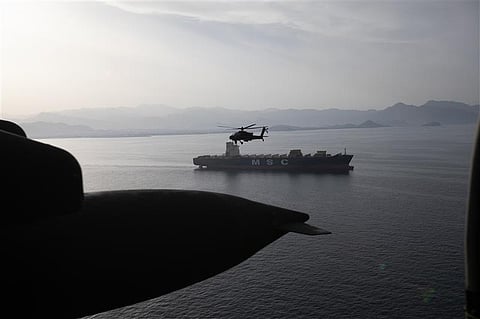
The output increase comes as the Iran war, which began on February 28, continues to limit exports from major Gulf producers including Saudi Arabia, Iraq, and Kuwait.
The closure of the Strait of Hormuz has significantly reduced shipments, leaving production increases largely theoretical until transit routes reopen.
Analysts describe the decision as a strategic signal rather than an immediate supply boost.
“OPEC+ is sending a two-layer message to the market: continuity despite the UAE’s exit, and control despite limited physical impact,” said Jorge Leon, an analyst at Rystad Energy.
Oil prices have surged above $125 per barrel, reaching a four-year high amid fears of tightening supply and potential shortages of refined products such as jet fuel.
The agreement also reflects internal shifts within the group following the recent departure of the United Arab Emirates, which had been among the key participants in monthly quota decisions.
The seven countries involved in Sunday’s talks include Saudi Arabia, Russia, Iraq, Kuwait, Algeria, Kazakhstan, and Oman.
Saudi Arabia’s production quota is set to rise to 10.291 million barrels per day in June, significantly above its reported output of 7.76 million barrels per day in March.
Overall OPEC+ production averaged 35.06 million barrels per day in March, down sharply from February levels due to constrained exports.
Industry officials caution that even after shipping resumes through Hormuz, it may take weeks or months for supply flows to stabilize.
The group is scheduled to meet again on June 7 to reassess market conditions.