

A Bangladesh tribunal sentenced the country’s fugitive former police chief and two senior colleagues to death on Monday for crimes against humanity committed during the violent final days of former Prime Minister Sheikh Hasina’s rule. The verdict by the International Crimes Tribunal (ICT) targets the architects of a deadly crackdown and arrives just weeks before pivotal national elections, as the nation continues its painful reckoning with a brutal chapter in its history.
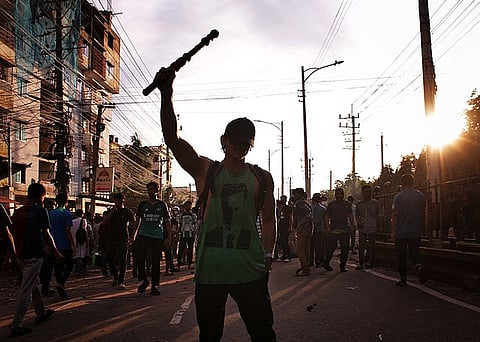
The three sentenced men, including former Dhaka Metropolitan Police Commissioner Habibur Rahman, were convicted in absentia for ordering police to open fire with lethal weapons on protesters in the city's Chankharpul area on August 5, 2024. That day, as crowds stormed her official residence, Hasina fled the country for India, marking the collapse of her 15-year government. The tribunal found the officers bore "superior command responsibility" for the killings, which were part of a broader state-sponsored campaign that the United Nations says claimed up to 1,400 lives between July and August 2024.
This ruling is the second major verdict from the tribunal, which was originally established by Hasina herself to prosecute war crimes but has since been restructured by the interim government. In November, the same court sentenced Hasina and her former interior minister, Asaduzzaman Khan Kamal, to death in absentia on identical charges. The latest sentences reinforce a pattern of using the judicial system to dismantle the legacy of the former regime, though all the key figures remain beyond reach in exile.
The courtroom drama is intensifying a severe diplomatic rift with neighboring India. Bangladesh's foreign ministry has expressed being "surprised and shocked" that India provided a platform for the fugitive Hasina to deliver a public address from New Delhi last week. In a strongly worded statement, Dhaka condemned India for allowing "mass murderer Hasina" to deliver a "hate speech" and accused her of inciting terror to derail the upcoming election. Despite Bangladesh's formal extradition request, India has shown no willingness to return Hasina, effectively providing a safe haven that shields her from accountability.
With the February 12 general election approaching, these judicial actions are deeply political. Hasina's Awami League party has been banned from participating, fundamentally reshaping the electoral landscape. The interim government, led by Nobel laureate Muhammad Yunus, frames the tribunal's work as delivering historic justice for victims. However, analysts question the strategic wisdom of issuing death sentences that are unlikely to be carried out. Some experts argue that by imposing the death penalty through a trial in absentia, Bangladesh has inadvertently strengthened Hasina's asylum claim under international law, as most countries, including India, refuse to extradite individuals facing execution.
The pursuit of the death penalty for Hasina and her associates offers powerful symbolic censure for the victims of the 2024 crackdown. Yet, it also highlights the limitations of domestic justice when the accused are protected by a powerful neighbor. The verdicts satisfy a public demand for moral condemnation but may do little to foster genuine political reconciliation or ensure the physical return of those convicted. As Bangladesh stands at a democratic crossroads, its quest for justice remains entangled in the complex geopolitics of South Asia.