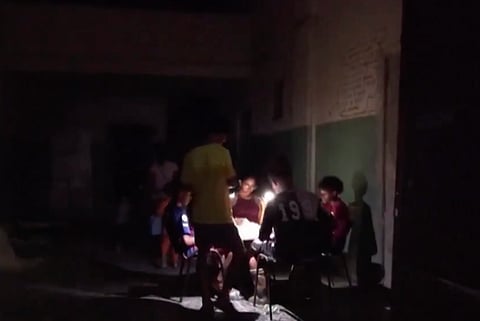


Cuba’s national power grid collapsed on Tuesday, triggering the country’s third nationwide blackout in less than 10 days and leaving nearly the entire island without electricity.
The outage began at about 11:05 a.m. local time when the national electricity system went offline, according to the state-run electricity company, UNE.
Cuba’s Ministry of Energy and Mines said there had been a “total disconnection of the electrical system.”
The latest outage marks the fifth nationwide blackout recorded in Cuba since the start of 2026 and comes as authorities continue efforts to stabilize the country’s ageing electricity network.
Authorities did not immediately identify the cause of the latest collapse.
The repeated outages have unfolded during Cuba’s worst economic crisis in decades, with officials pointing to fuel shortages and the deteriorating condition of power infrastructure dating back to the 1960s and 1980s.
Havana says a United States-imposed oil blockade has intensified the crisis by restricting fuel supplies and increasing pressure on the national grid.
The blockade was introduced in January after the United States removed Venezuelan President Nicolas Maduro from power, ending a key source of subsidized oil for Cuba while Mexico also halted fuel shipments.
According to the International Energy Agency, Cuba produced about 40 percent of the oil it consumed as of 2023, leaving the country dependent on imported fuel.
In both nationwide blackouts last week, restoring electricity across the island took more than 24 hours.
The repeated outages have fueled growing frustration among residents, particularly in Havana and other heavily affected provinces where electricity disruptions have lasted for extended periods.
Recent demonstrations included residents banging pots and pans, while some communities also set piles of trash on fire in protest over prolonged outages.
The Trump administration says its measures are intended to pressure Cuba’s government to hold democratic elections and release what it describes as political prisoners.
Cuban authorities, meanwhile, continue to blame the fuel blockade for the worsening electricity crisis.
Speaking at a United Nations General Assembly debate last week, US Ambassador Michael Waltz said, “Change your ways and turn the lights back on for your people.”
Late last month, Cuban Foreign Minister Bruno Rodriguez said “no progress” had been made in months of bilateral discussions between Havana and Washington.