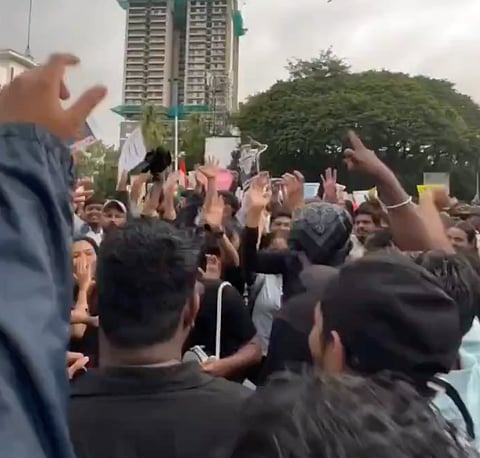


India's youth-led "Cockroach" protest movement ended on Saturday after Education Minister Dharmendra Pradhan resigned following more than five weeks of nationwide demonstrations over exam paper leaks that evolved into one of the most significant public challenges to Prime Minister Narendra Modi's government.
The Cockroach Janta Party (CJP), a satirical online movement that emerged after remarks comparing some unemployed young people to "cockroaches," declared victory after Pradhan stepped down and instructed protesters gathered at Jantar Mantar in New Delhi to disperse peacefully.
Supporters celebrated at the protest site as the announcement marked the fulfilment of one of the movement's central demands.
Pradhan announced his resignation, saying he respected the aspirations of India's youth and had stepped down to prevent further tensions while allowing students to focus on their futures.
The CJP described the resignation as a victory for democracy after weeks of demonstrations centred on demands for accountability over examination paper leaks and reforms to the education system.
Movement founder Abhijeet Dipke announced the news to supporters, declaring, "We have done it."
The group also said the government had accepted its key demands, including compensation for families of students who died by suicide following exam disruptions, assurances against punitive action against protesters, and a public apology for the handling of demonstrations.
The movement gained momentum after police and paramilitary forces cracked down on demonstrators attempting to march to Parliament, with videos of tear gas and baton charges fuelling wider protests across multiple Indian cities.
The demonstrations drew support from activists, opposition politicians and public figures, while education reform and employment opportunities became central themes for many participants.
Although the protest has formally concluded, CJP leaders said their campaign would continue until promised measures are implemented, including compensation for affected families and action over alleged excessive force used against protesters.
The movement also maintained pressure for broader reforms aimed at strengthening the integrity of India's examination system and ensuring greater accountability in future cases.