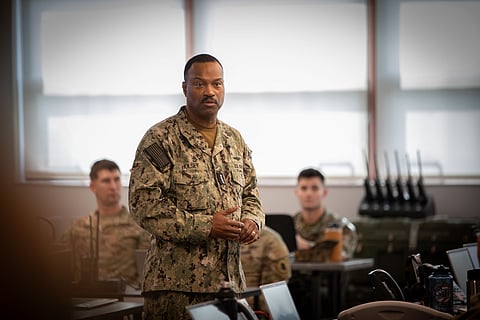


Adm. Alvin Holsey, commander of U.S. Southern Command, retired Friday in Miami two years ahead of schedule, ending a 37-year career marked by reported clashes with Defense Secretary Pete Hegseth over the pace and legality of military strikes on suspected drug-trafficking boats in the Caribbean.
The ceremony handed leadership to acting commander Air Force Lt. Gen. Evan Pettus while Chairman of the Joint Chiefs of Staff Gen. Dan Caine praised Holsey as a “quiet professional” who led with heart and head.
Sources familiar with the matter told CNN and Reuters that Hegseth believed Holsey was not aggressive enough in countering drug traffickers, while Southern Command officials raised concerns about the legality of repeated strikes on vessels off Venezuela.
Tensions peaked at an October 6 Pentagon meeting involving Hegseth, Holsey, and Caine; one source said Holsey offered to step down during the session.
Holsey’s October 16 retirement announcement came days after the fifth U.S. attack on an alleged drug boat and followed increased congressional scrutiny of a September follow-on strike that killed two survivors from an earlier engagement.
The departure coincides with a Trump administration push to revive the Monroe Doctrine and intensify pressure on Venezuela, including a major naval buildup in the Caribbean and Wednesday’s seizure of a Venezuelan oil tanker.
Holsey is among several senior officers to leave since Hegseth assumed the Pentagon role, following the earlier exits of Joint Chiefs Chairman C.Q. Brown and Chief of Naval Operations Lisa Franchetti.
A source said President Trump is expected to nominate Lt. Gen. Frank Donovan of U.S. Special Operations Command as Holsey’s permanent successor, pending Senate confirmation.