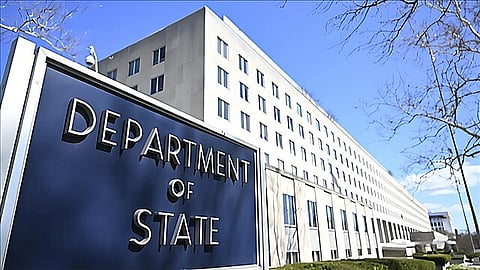


The U.S. State Department has revoked more than 100,000 visas in a single year, a record-breaking enforcement action that has stripped thousands of students and skilled workers of their legal status. Critics argue the sweeping crackdown, fueled by aggressive rhetoric and politicized screening, represents a radical shift toward an immigration system that penalizes dissent and targets specific nationalities.
The Trump administration has nullified over 100,000 visas since January 2025, a figure that is two-and-a-half times higher than the total for the previous year. Officials state the revocations, a 150% increase from 2024, primarily affect business and tourist travelers who overstayed their visas. However, the campaign has also targeted specific groups, including some 8,000 international students and 2,500 holders of specialized work visas. The administration justifies the actions by citing criminal encounters with law enforcement, listing offenses such as driving under the influence, assault, and theft as leading causes for revocation. This massive operation is bolstered by a new "Continuous Vetting Center" designed to monitor visa holders after they enter the United States and the revival of the "public charge" rule, which allows visa denial based on assessments of a person's health, age, finances, and English proficiency.
Beyond standard enforcement, a highly controversial aspect of the crackdown involves the revocation of visas from international students engaged in pro-Palestinian activism. Secretary of State Marco Rubio has publicly stated he revoked visas from students who protested against Israel, framing it as a matter of U.S. foreign policy. In a major rebuke, a federal judge ruled in September 2025 that this campaign unlawfully targeted student activists to silence criticism of Israel, violating their right to free speech. The judge found that officials had misused their powers to "strike fear" into non-citizens and "pro-actively curb lawful pro-Palestinian speech," creating an unconstitutional chilling effect. Furthermore, reports indicate that federal officials relied on lists from controversial, pro-Israel private groups like Canary Mission to identify students for removal, raising serious due process concerns.
The administration's hardline stance extends to preventing future arrivals through significantly tightened vetting and sweeping entry bans. New guidelines now require screening of social media activity for "antisemitism," which the government broadly links to support for groups like Hamas, affecting applicants for permanent residency and student visas. This is coupled with a new presidential proclamation that, effective January 1, 2026, fully suspends visa issuance to nationals of 39 countries and to anyone using travel documents issued by the Palestinian Authority. The list includes numerous Muslim-majority nations such as Afghanistan, Iran, Syria, and Yemen. Another 19 countries face partial suspensions for visitor and student visas. While the government states these measures are for national security, the scale and focus have led to accusations of discriminatory profiling.
The aggressive policy has triggered significant legal and institutional backlash. Courts have begun to push back against what they see as overreach; the September 2025 ruling declared the deportation drive against pro-Palestine students illegal, noting that equating political criticism with support for terrorism imperils core free speech rights. Immigration advocates and university groups warn the policies lack due process, disrupt academic and economic sectors, and ultimately project an image of a nation closing its doors. The administration's own language, such as a State Department post vowing to "deport these thugs," has been condemned as dehumanizing and indicative of a punitive approach. As legal challenges mount, the world watches a nation wrestling with the balance between its security imperatives and its founding ideals of liberty and free expression.