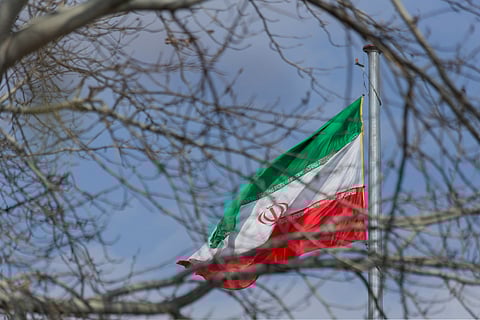


The United States and Iran are set to resume negotiations in Geneva on Thursday, with Oman confirming the talks as both sides seek to advance efforts toward a potential nuclear agreement amid heightened regional tensions.
Oman’s Foreign Minister Badr Al Busaidi, whose country has mediated between Washington and Tehran, said the negotiations are scheduled “with a positive push to go the extra mile towards finalising the deal”.
The announcement follows a second round of nuclear discussions that concluded in Geneva on February 17 and earlier indirect talks held in Oman this month.
Al Busaidi confirmed in a social media post that the talks would take place in Geneva this Thursday, describing momentum toward finalizing an agreement.
The negotiations come as the United States continues to bolster its military assets in the region, raising concerns about a potential escalation.
Iran’s Foreign Minister Abbas Araghchi said Tehran is prepared to implement a “full monitoring mechanism” to guarantee the peaceful nature of its nuclear programme and to ease tensions.
As a “committed member” of the Non-Proliferation Treaty (NPT), Araghchi said Iran is “ready to cooperate with the agency in full” in reference to the United Nations nuclear watchdog, the International Atomic Energy Agency.
He added that under the treaty Iran maintains “every right to enjoy a peaceful nuclear energy, including enrichment”.
Enrichment remains a central issue in the negotiations.
Araghchi described it as sensitive but indicated that both sides are aware of each other’s positions and that “a solution is achievable”.
He said Iran is “negotiating only nuclear” at present and expressed optimism that a deal could be reached.
U.S. officials, including President Donald Trump, have previously suggested Washington is seeking “zero enrichment” by Tehran, while Secretary of State Marco Rubio has said any agreement would need to address ballistic missiles and regional alliances.
Araghchi said the forthcoming proposal could include elements accommodating both sides’ concerns and might ultimately be “better” than the 2015 Joint Comprehensive Plan of Action.